
Harmonizing Passion and Technology: Harnessing AI for Innovative Songwriting Techniques in Ballad Composition
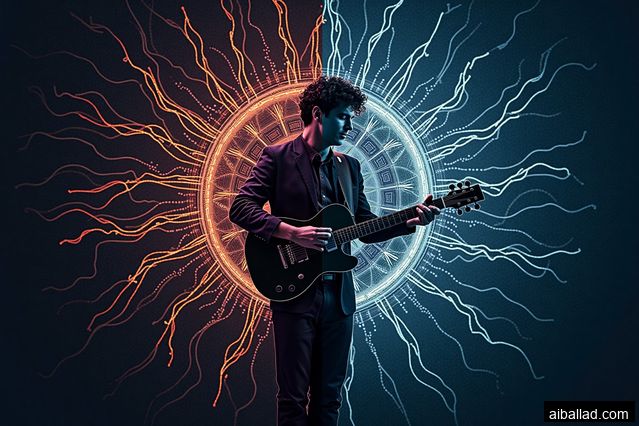
The Evolution of Ballad Creation
The art of ballad composition has undergone a remarkable transformation throughout musical history. From medieval troubadours to modern singer-songwriters, the essence of storytelling through music has remained constant, while the methods of creation have evolved. Today, we stand at a pivotal moment where artificial intelligence is not replacing human creativity but rather amplifying it in unprecedented ways.
Traditional ballad composition relied heavily on established patterns and structures passed down through generations. Modern AI tools at platforms like AIBallad.com now analyze these time-tested patterns alongside contemporary innovations, offering creators a bridge between classical techniques and modern possibilities. This fusion opens new avenues for emotional expression while honoring the rich heritage of ballad composition.
AI Innovation in Musical Expression
At the heart of AI-assisted ballad composition lies a sophisticated understanding of musical emotion. Advanced algorithms can now analyze thousands of successful ballads, identifying subtle patterns in melody, harmony, and rhythm that resonate with listeners. This analysis goes beyond simple pattern recognition – it delves into the emotional impact of specific musical choices, helping creators make informed decisions about their compositions.
The technology doesn't just suggest notes and chords; it understands context and emotional intent. When a composer indicates they want to convey longing or joy, the AI can recommend progressions and melodic movements that historically evoke these feelings, while still leaving room for personal artistic expression.
Advanced Tools and Techniques
Modern AI-powered composition tools offer an unprecedented level of control and customization. Writers can experiment with different emotional tones, structural variations, and harmonic complexities in real-time. The platform's intuitive interface allows for seamless switching between different approaches, enabling creators to find their unique voice while benefiting from AI-driven insights.
These tools include advanced features like sentiment analysis of lyrics, melodic suggestion engines, and harmonic progression optimization. Composers can even analyze how different arrangements might impact listener engagement, making data-informed decisions while maintaining artistic integrity.
The Collaborative Future of AI Music
The emergence of AI in ballad composition has sparked a new era of collaborative creativity. Through platforms like AIBallad.com, composers from different backgrounds and skill levels can connect, share insights, and even co-create pieces using AI as a facilitating tool. This democratic approach to music creation has led to unique fusion styles and innovative approaches to traditional ballad structures.
The community aspects of AI-powered composition platforms have become increasingly valuable, with creators sharing techniques, offering feedback, and collaborating on projects that push the boundaries of what's possible in modern ballad composition.
Practical Applications and Success Stories
Real-world applications of AI in ballad composition have already produced remarkable results. From emerging artists using AI to refine their first compositions to established musicians experimenting with AI to break creative blocks, the technology has proven its worth across the spectrum of musical creation. Success stories include chart-topping ballads that utilized AI for harmonic arrangement and independent artists who've found their unique voice through AI-assisted composition.
The future of ballad composition lies in this harmonious blend of human creativity and technological innovation. As AI tools become more sophisticated and accessible, we can expect to see even more groundbreaking developments in how we create and experience emotional musical storytelling.